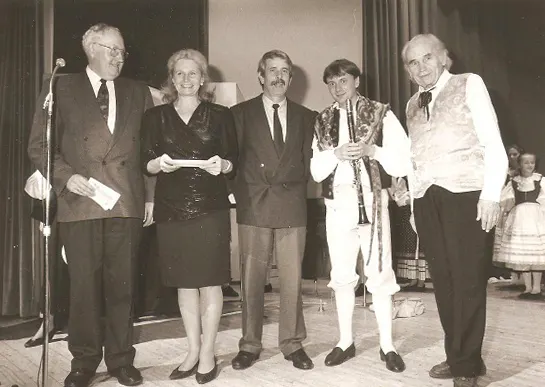
Founder & inspiration
Prof. František Bonuš
Teacher, collector, music and dance folklorist (1919–1999), founder of the original Jaro group and father of Živana Vajsarová.
Read the profile

Since 1983
More than forty years of dance, travel and joy – and a family story devoted to Czech folk dance for a generation longer.
Founder & inspiration
Teacher, collector, music and dance folklorist (1919–1999), founder of the original Jaro group and father of Živana Vajsarová.
Read the profile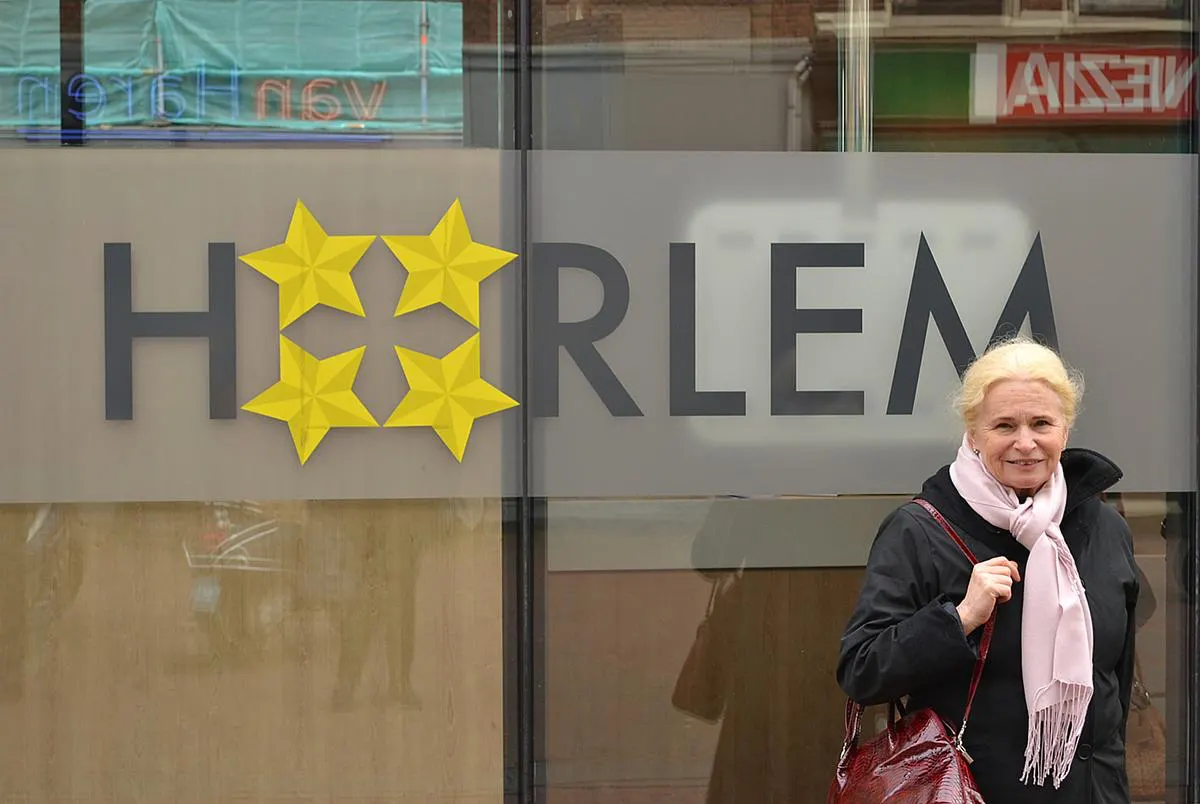
Artistic director & choreographer
Founder of the Jaro Dance Group and one of the leading Czech dance teachers, respected at home and abroad.
Read the profileMilestones
Prof. František Bonuš founds and leads the children’s dance group Jaro.
Živana Vajsarová re-founds the ensemble at the Radotín art school in Prague.
Two first prizes at the 1st national dance competition in Jihlava.
First tour abroad – Horsens, Denmark.
Folklore festival in Nice, France.
Move to ZUŠ Štefánikova in Smíchov; festivals in Germany and Sweden.
3rd main prize at the international festival in Palma de Mallorca.
Start of the collaboration with the Jara Band led by Karel Mezera.
Hong Kong Dance Expo – the start of our friendship with Budlet.
Beseda Ball in New York, followed a year later by a tour to Florida.
35th anniversary at the Vinohrady Theatre, a gold band for Kolovrátek, festival in Taiwan.
Dance & Time celebrating 100 years of Prof. Bonuš; 25 years of the Jara Band.
40th anniversary – Enchanted by Dance & Music at the Vinohrady Theatre; festival in Malta.
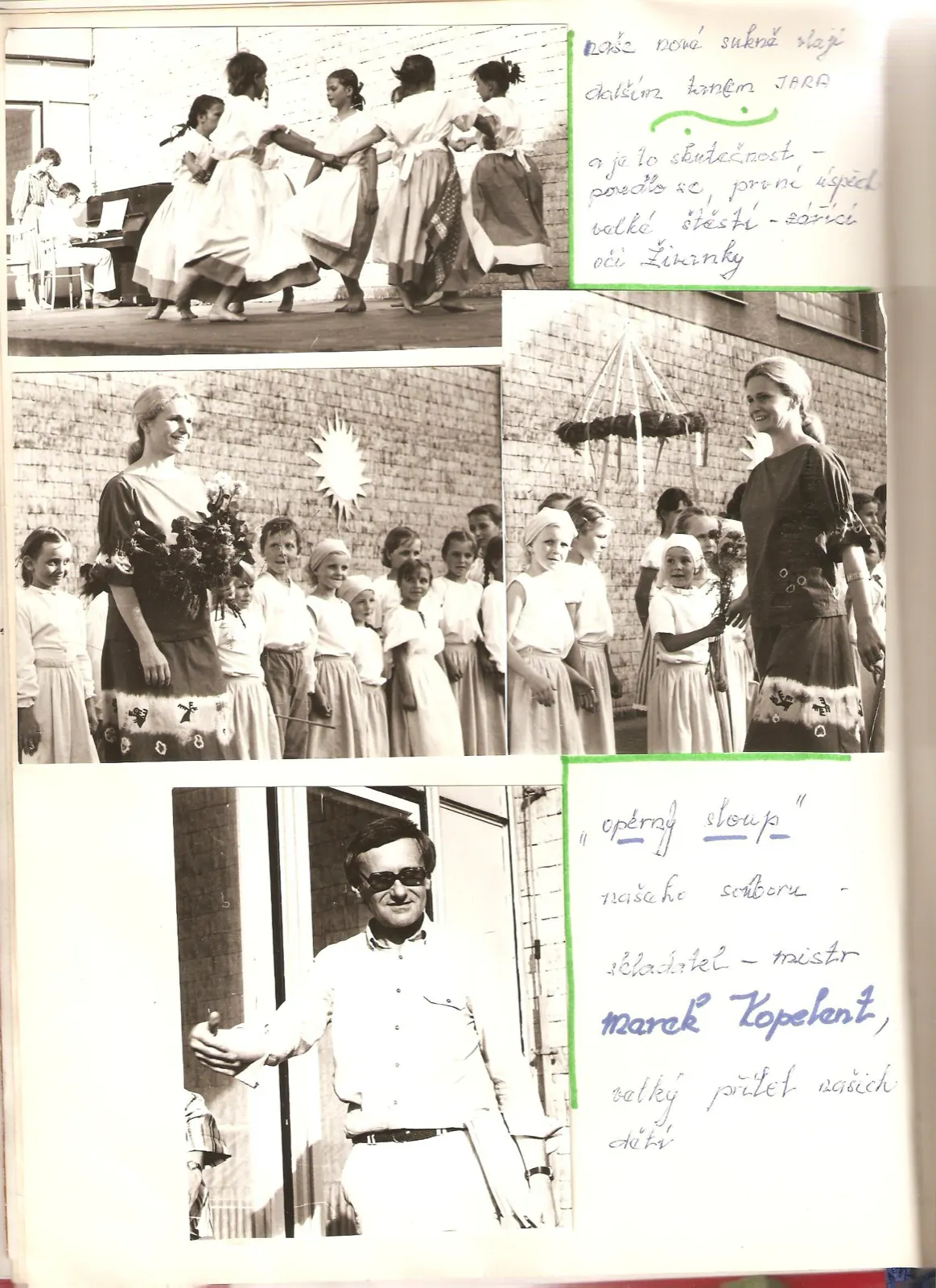
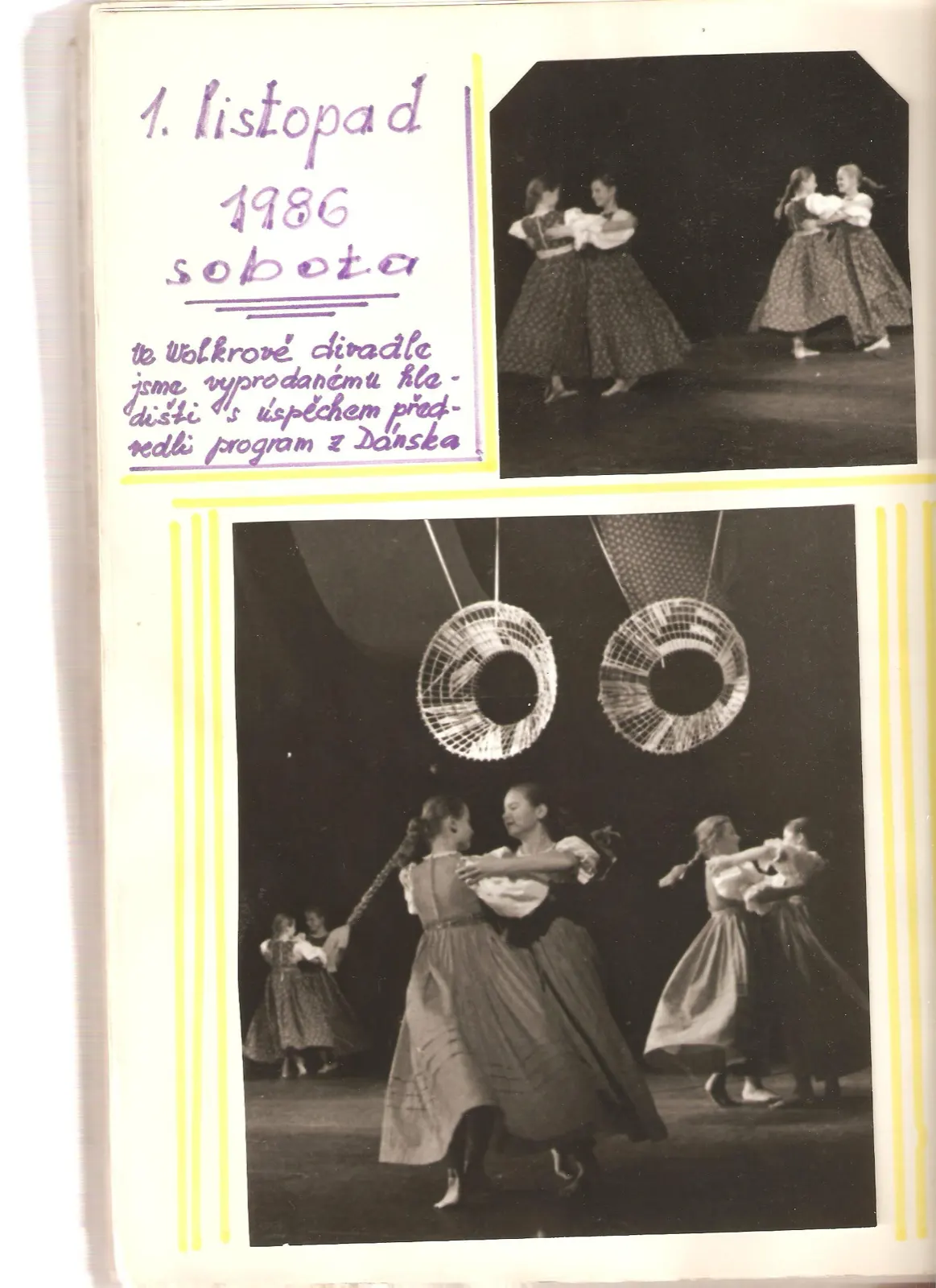
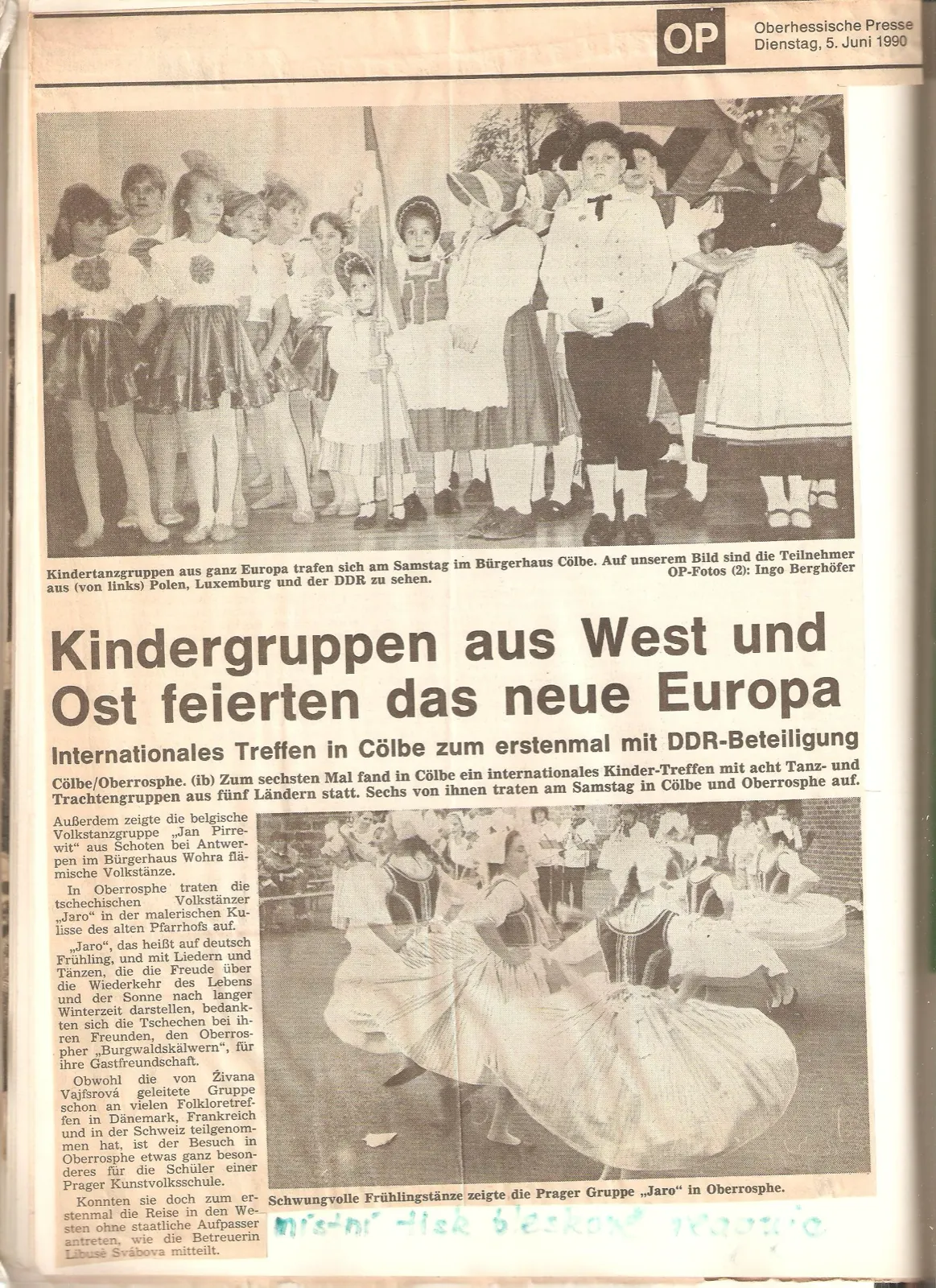
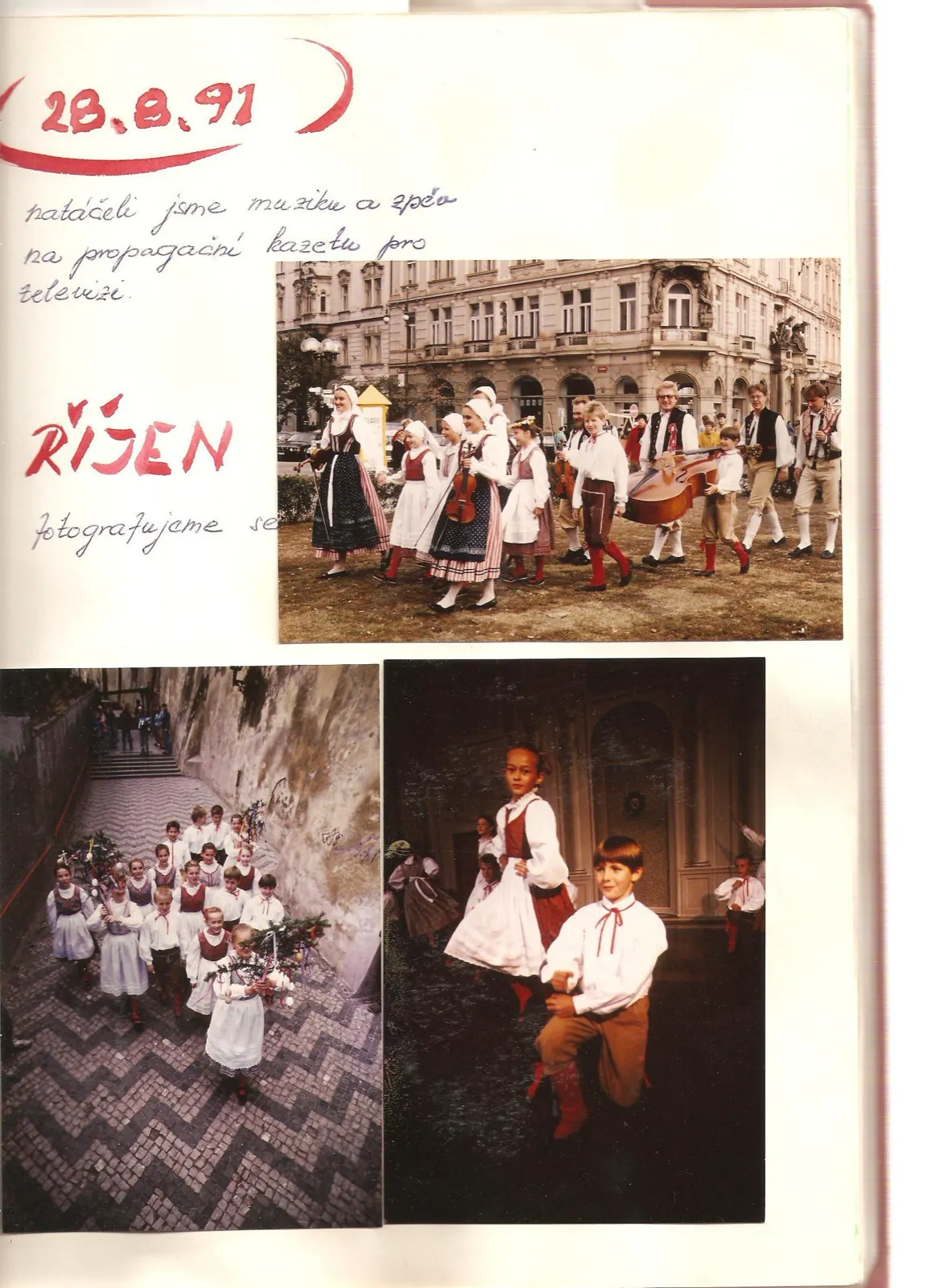
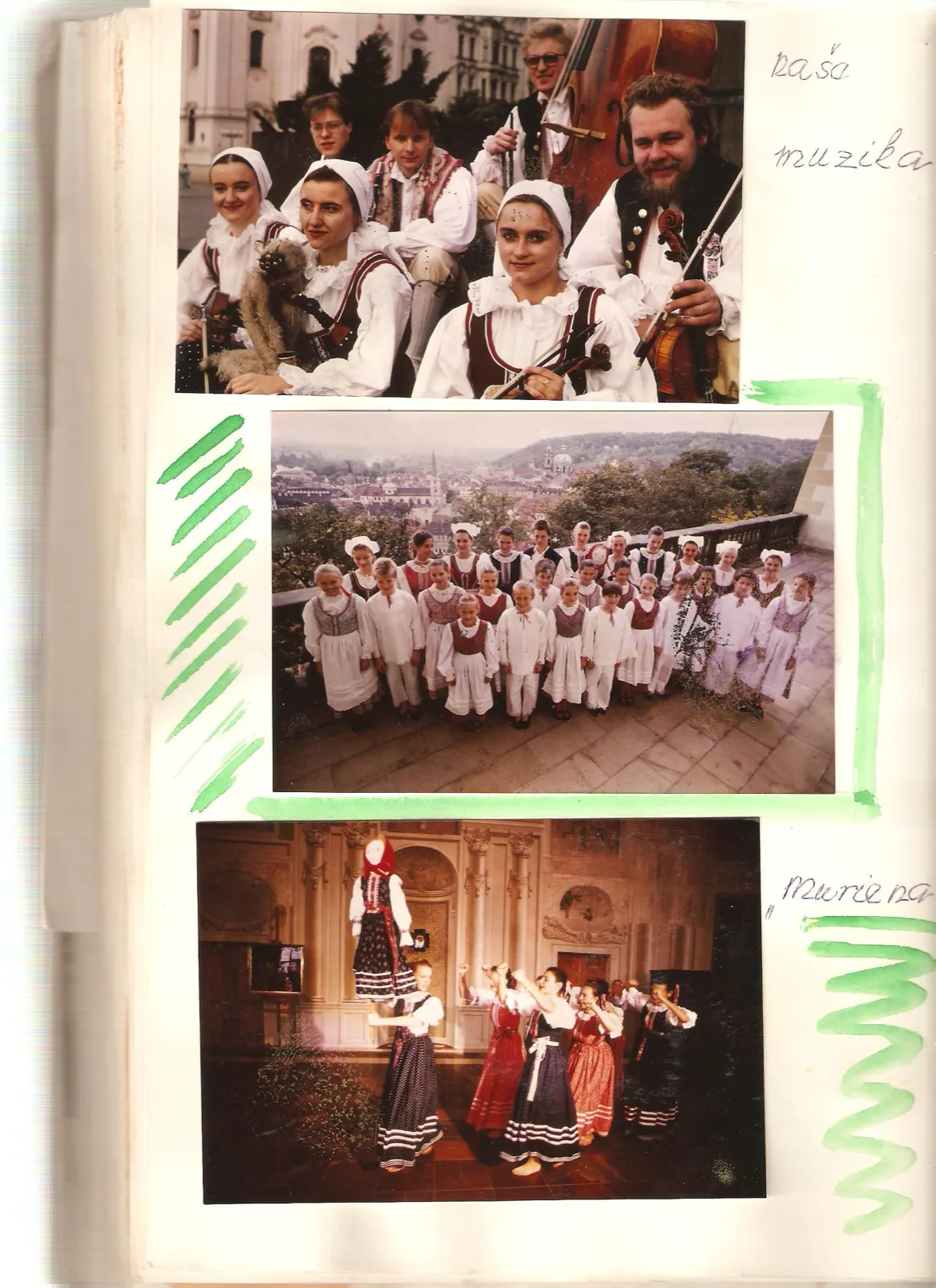
Pages from the ensemble’s chronicle of the 1980s.
From the chronicle
The Jaro Dance Group was founded in 1983 at the Folk School of Arts in Prague-Radotín. From the very start it has been led by dance teacher Živana Vajsarová-Bonušová, who also creates the choreography for every dance. The composer and répétiteur Marek Kopelent worked closely with the ensemble, arranging folk dances and composing children’s dance pieces.
Marek Kopelent was a pillar of our ensemble – a composer, a master and a great friend of our children…
The first public performance took place in the atrium of the Radotín school, watched enthusiastically by the dance pioneer Jarmila Jeřábková. In May 1985, at the first national dance competition of art schools in Jihlava, the ensemble won 1st prize in two age categories. Professor František Bonuš, a member of the jury, independently described the performance as representative in every respect. The ensemble then performed at Prague Castle for UNESCO delegates.
An invitation from the Danish dance group Fandango arrived at the end of 1985 and meant a new programme and the ensemble’s first stylised costumes. On 5 September 1986 a bus decorated with ribbons and the Czechoslovak flag left for Horsens in Denmark, where 24 girls and one boy aged 7–13 gave eight performances of Czech, Moravian and Slovak dances, games and songs. Back in Prague, the programme sold out the Jiří Wolker Theatre.
In 1987 the Danish friends returned the visit, and in 1988 the ensemble won five first places in the regional competition, was filmed by Czech Television and took 1st and 2nd places at the national final in Žďár nad Sázavou.
In May 1989 the ensemble travelled – via Nuremberg, Geneva and Bern – to a folklore festival in Nice, France. After the Velvet Revolution, a Christmas evening at Lobkowicz Palace celebrated Professor Bonuš’s 70th birthday. In 1990 the children danced at an international festival in Oberrosphe, Germany, that celebrated the new Europe, then celebrated midsummer in Sweden and visited Denmark again. In spring 1991 a long-held dream came true: at the international festival in Palma de Mallorca the ensemble received the 3rd main prize, presented in a bullring.
After 1989 the ensemble moved from the outskirts of Prague 5 to Smíchov, and since 1990 it has been part of the ZUŠ Štefánikova art school.
Based on the ensemble’s chronicle. The history after 1991 is being compiled – if you have photos, recordings or memories, please get in touch.